Author: climate-admin

fort collins bikes

Climate Adaptation Planning in Fort Collins, Colorado

fort collins bikes

Report and Workbook:

The Front Range of Colorado has experienced much change over the last few decades. Future change may be even more striking. In addition to population growth, continued development, and economic diversification, the Front Range is expected to experience substantial impacts brought on by climate change.

Climate change has already been well documented throughout the western U.S. Average temperatures have risen 2-4 degrees F. over the last century. Rising temperatures have caused more precipitation to fall as rain instead of snow. Spring snowpack is lower throughout the western U.S., and the moisture content of the snowpack is also lower. 

The last two years have emphasized the vulnerability the Fort Collins community and its regional neighbors can experience due to extreme weather events. Because of events such as the High Park fire, the hottest year on record, and recent flooding, there has been substantial devastation to the region. To be proactive and prepared to protect and maintain our quality of life, Fort Collins must prepare for such future events and the potential for increases in severity and frequency due to a changing climate.

Continue reading

ClimateWise Enews Fall 2013


Geos Institute

Fall 2013 ClimateWise Enews


  • IPCC Fifth Assessment WG1 Report Released
  • Project Round-up
  • New Reports & Data
  • Funding Opportunities


IPCC Fifth Assessment Working Group 1 Report Released


The International Panel on Climate Change (IPCC), established by the United Nations Environmental Program (UNEP) in 1988, releases a report on the current state of climate change knowledge along with potential environmental and socio-economic impacts every 6-7 years. Working Group 1 (WG1), tasked with reporting on “The Physical Basis” and “Summary for Policymakers,” recently released its contribution to the Fifth Assessment Report. Working Groups II and III, covering vulnerabilities, adaptation strategies, and mitigation, will release reports in the coming year.

The IPCC does not conduct any research of its own, rather it reviews the body of scientific research and draws on consensus and peer reviewed literature – over 9,200 scientific publications are cited in the report issued by Working Group 1! There are 209 Lead Authors and 50 Review Editors from 39 countries. More than 600 experts provided additional knowledge or expertise.

Important headlines from the Summary for Policymakers:

  • Human influence has been detected in warming of the atmosphere and the ocean, changes in the global water cycle, reductions in snow and ice, sea level rise, and climate extremes. This evidence for human influence has grown since AR4. It is extremely likely that human influence has been the dominant cause of the observed warming since the mid-20th century.
  • Warming of the climate system is unequivocal, and since the 1950s, many of the observed changes are unprecedented over decades to millennia. The atmosphere and ocean have warmed, the amounts of snow and ice have diminished, sea level has risen, and the concentrations of greenhouse gases have increased.
  • The atmospheric concentrations of carbon dioxide (CO2), methane, and nitrous oxide have increased to levels unprecedented in at least the last 800,000 years. CO2 concentrations have increased by 40% since pre-industrial times, primarily from fossil fuel emissions and secondarily from net land use change emissions. The ocean has absorbed about 30% of the emitted anthropogenic carbon dioxide, causing ocean acidification.
  • The rate of sea level rise since the mid-19th century has been larger than the average rate during the previous two millennia (high confidence). Over the period 1901–2010, average sea level rose by 0.19 [0.17 to 0.21] m.

For more information:

Stay tuned for our run down of WG2: Impacts, Adaptation and Vulnerability. The report is expected to be released in mid-March 2014.


New Reports and Data


EPA Reports Climate Change Impacts in 20 Watersheds

In a new report published by the EPA, results from watershed modeling in 20 large U.S. drainage basins were assessed on their sensitivity of streamflow, nutrient, and sediment loading to a range of likely mid-century (2041-2070) climate change and urban scenarios. In many study areas, the simulations suggest a likely change in streamflow and water quality endpoints.

Key Findings:

“There is a high degree of regional variability in the model simulated responses of different streamflow and water quality endpoints to a range of potential mid-21st century climatic conditions throughout the nation. Comparison of watershed simulations in all 20 study areas for the 2041-2070 time horizon suggests the following hydrologic changes may occur:

  • Potential streamflow volume decreases in the Rockies and interior southwest, and increases in the east and southeast coasts.
  • Higher peak streamflow will increase erosion and sediment transport; loads of nitrogen and phosphorus are also likely to increase in many watersheds.
  • Many watersheds are likely to experience significant changes in the timing of streamflow and pollutant delivery. In particular, there will be a tendency to shift from snowmelt-dominated spring runoff systems to rain-dominated systems with greater winter runoff.
  • Changes in nutrient and sediment loads are generally correlated with changes in hydrology.
  • Changes in watershed water balance and hydrologic processes are likely in many regions of the nation.”

To read the full report, click here.


Funding Opportunities


Even during the current fiscal situation, there are funding opportunities for vulnerability assessments and adaptation planning. We are interested in pursuing new partnerships with local communities, Tribes, and resource management agencies. Below are a few current funding opportunities.

  • NOAA Climate Program Office has funding opportunities for nine competitions, organized around the Climate Program Office’s Climate Observations and Monitoring (COM); Earth System Science (ESS); Modeling, Analysis, Predictions, and Projections (MAPP); and Climate and Societal Interactions (CSI) Programs. Information about those should be available as soon as the federal government is back up and running. The current deadline for final applications is November 14, 2013.
  • The Bureau of Indian Affairs (BIA) has up to $600,000 available in fiscal year 2013/2014 available for competitive grants for tribal adaptation, training, and tribal travel support to participate in technical training, workshops, forums and cooperatives. First round submissions are due November 29, 2013. 


Thanks for reading!  We are interested in your adaptation work and how our services might complement what you have underway so feel free to contact Marni Koopman, Climate Change Scientist for Geos Institute or call 541.482.4459 x303. Please keep in touch by signing up for ClimateWise News and “liking” Geos Institute on Facebook.
Project Round-up


Managing Coast Redwoods for Resilience in a Changing Climate


Climate change is good for redwoods! What? How could that be true? Recent research shows that redwoods are growing at unprecedented rates, likely due to longer growing seasons, more CO2, and even lower fog levels that allow more sun. The news isn’t all so sunny, however. Models show that short-term benefits of climate change will be far outweighed by the long-term impacts from higher temperatures and changes to fog and other precipitation.

Geos Institute and its partners, North Pacific Landscape Conservation Cooperative, Society for Conservation Biology, and EPIC, hosted a workshop and fieldtrip in early September to bring together scientists and mangers with expertise in redwood ecosystems. Few forests in the world have comparable species assemblages, enormous tree sizes, rich and structurally complex canopies, and exceptional biomass as the coast redwoods (Noss 2000, DellaSala 2011).

Yet, there is no comprehensive strategy currently available for helping managers prepare coast redwoods for climate change and land-use stressors despite the global significance of these forests, their important role storing carbon, and their vulnerability to disturbances.

The workshop brought together the diverse set of scientists and managers who work with redwoods to evaluate the leading science on stressors, including climate change, and identify and prioritize adaptation strategies for increasing the resilience of the redwood ecosystem. The all-day field trip provided participants with an opportunity to see first-hand the different strategies for moving young forests more quickly towards mature redwood structure.
Stay tuned for results from the workshop! We will compile a suite of best practices for redwood restoration and management for continued persistence as climate change progresses throughout the region.  

Noss, Reed F., ed. 2000. The redwood forest: History, ecology, and conservation of the Coast Redwoods. Washington D.C: Island Press.


Fort Collins Climate Change Adaptation and Planning Facilitation


The Geos Institute is pleased to announce a new partnership and project with the Brendle Group in Fort Collins, Colorado. Fort Collins has already established itself as a national leader in sustainability by setting goals and taking actions to reduce greenhouse gas emissions. With the launch of this planning effort, they are now taking steps to increase municipal and community preparedness in the face of climate change.
 
Building on past efforts of climate change scenario planning, we are developing a vulnerability assessment and adaptation planning framework to assist nine municipal departments in preparing for changes in temperature, precipitation patterns, wildfire, natural systems, weather extremes, and other variables. The framework will be available for other city departments and regional partners as well. 


Southern Sierra Integrated Regional Water Management Plan


The Southern Sierra Region of California is the fourth largest water management unit in the state and includes portions of the Kern, White Rivers, Deer Creek, Tule, Kaweah, Kings, and San Joaquin watersheds in Madera, Fresno, and Tulare counties. This region sources water for the globally-important agricultural operations on the San Joaquin valley floor.

Climate change is a critical issue facing water resources nationwide. With the Southern Sierra region having some of the state’s most iconic natural resources and the rivers already fully appropriated, climate change will have dramatic impacts on the area. Increasing temperature and changes in precipitation have already been observed, as reported in the Geos Institute publication “Integrated Strategies for a Vibrant and Sustainable Fresno County.” Climate change is expected to cause fluctuations in water yield and timing for run-off, necessitating changes in how the region manages its water.

Kamansky’s Ecological Consulting has tapped the ClimateWise team to provide updated climate projections that will inform the water planning process for the SSIRWMP. These will include projections for temperature, precipitation, snowpack, runoff, water deficit, vegetation change, and wildfire.


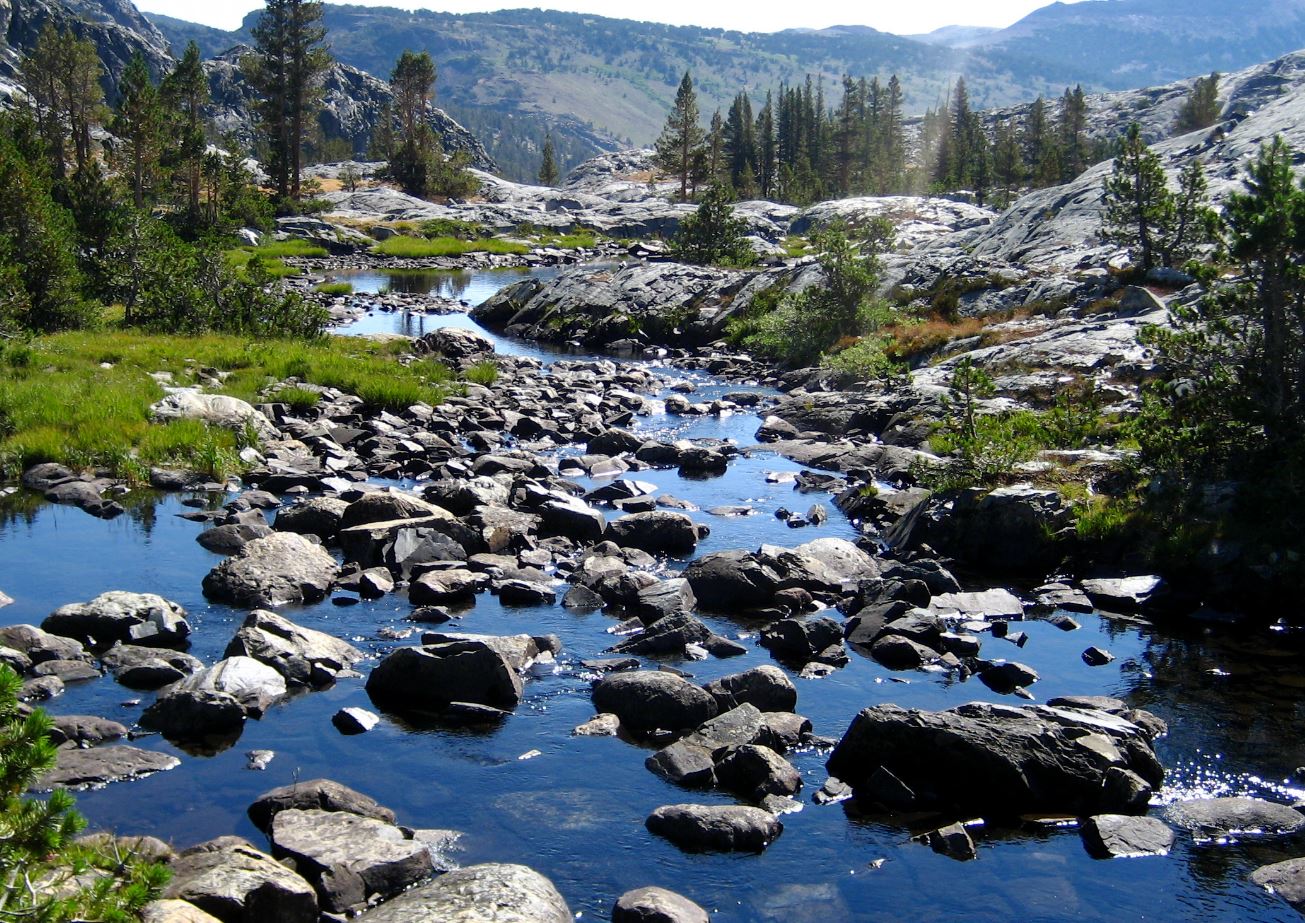
sierra nevada river

Future Climate, Wildfire, Hydrology, and Vegetation Projections for the Sierra Nevada, California

sierra nevada riverReport:

The Geos Institute worked with state and federal agencies, along with NGOs led by EcoAdapt, to develop a work plan for conducting vulnerability assessments and developing adaptation strategies for Forest Services lands in the Sierra Nevada Range of California.

The Vulnerability Assessment Adaptation Strategies (VAAS) extends this project to all lands, rather than just Forest Service, in order to develop a large-scale vulnerability assessment and associated adaptation strategies for focal resources of the Sierra Nevada. Geos Institute provided spatial analysis of existing climate models is part of the science synthesis that provides a review of the relevant model projections and ecological research for the region. A series of workshops were conducted to provide training, resources, support, and tools for participants to apply similar efforts at locally relevant scales.

Continue reading

coast redwoods national park in fog

Managing Coast Redwoods for Resilience in a Changing Climate

coast redwoods national park in fogReports:

The North Pacific Landscape Conservation Cooperative, California Landscape Cooperative, Geos Institute, Society for Conservation Biology (Humboldt State Chapter), and the Environmental Protection Information Center hosted a workshop and field trip entitled: “Managing Coast Redwoods for Resilience in a Changing Climate,” which took place on September 6 and 7, 2013 at Humboldt State University and Redwood National Park.

The Friday workshop was held at Humboldt State University, and Saturday’s all-day field trip toured forest restoration sites in Redwood National Park, arranged by the National Park Service.

Workshop participants came from a variety of different backgrounds and areas of expertise. Most were associated with state and federal land management agencies, city government, university research institutions, private forestry, Native American tribes, and non-governmental organizations. This workshop is intended to be one of many to develop sound adaptation strategies for the coast redwood ecoregion, with a strong basis in stakeholder engagement.

Continue reading

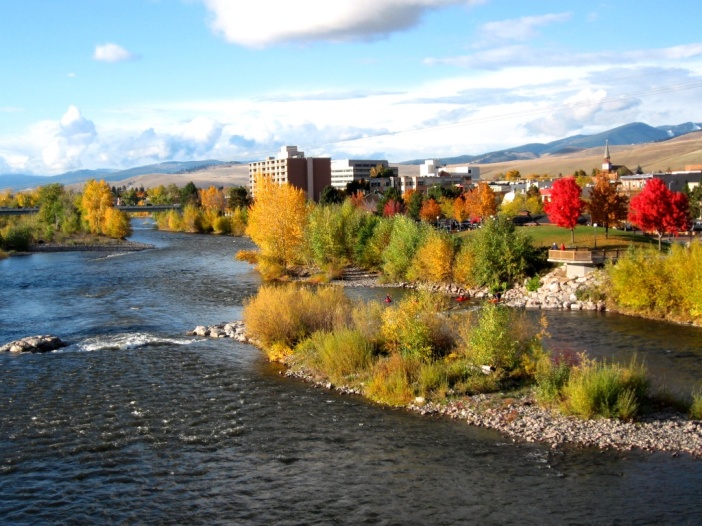
missoula river

Missoula, Montana Case Study

Built on Shared Values: County Level Climate Change Planning in Missoula, Montana

missoula riverA changing climate could deeply impact Missoula County in a multitude of ways and it’s time to plan ahead. That’s the consensus of over 90 local experts and community members who gathered to identify risks and devise adaptation strategies. Missoula County Supervisor Michele Landquist attended and later acknowledged, The science behind climate change is very real and we are beginning to incorporate that element into our decision making. The Geos Institute and Headwaters Economics worked with the Clark Fork Coalition, the local convening organization, to bring the ClimateWise process to Missoula County. (photo: Clark Fork Coalition)

Continue reading

ClimateWise Testimonials

The ClimateWise process organized by the Geos Institute was marvelous in the way it brought together decision makers and citizens to share information about climate change. San Luis Obispo’s decision process toward grass roots sustainability was made a whole lot easier by this. Two aspects really gave a jump start to helping city and regional planners: getting the GEOS scientific expertise input early on; and getting the major stakeholders on board. The outcome of this process also helped fuel a successful grant for the city and region.

Jan Marx
Mayor of San Luis Obispo, CA

The Climate Change Adaptation planning effort for San Luis Obispo County was a highly informative and motivating process that combined science and the collective knowledge of community leaders and informed citizens to identify strategic actions needed to proactively address the potential impacts of climate change in our region. The resulting plan provides a comprehensive blueprint for the future and gives confidence that we can protect public health, the environment and our local economy by acting on its recommendations. I was honored to be part of such an inspiring and fruitful collaborative process.

Larry Allen
Air Pollution Control Officer
San Luis Obispo (CA) County Air Pollution Control District


Participant comments on ClimateWise workshops:

The workshop was instructive, informative, and beneficial. Thanks for this! Great discussions, presentations, and lunch. Fresno, CA

I feel as thought I have developed a more solid knowledge base as well as valuable agency contacts. Fresno, CA

I was encouraged by the number of fantastic people who participated today.  Sometimes facing climate change in this valley can be a bit depressing, but this workshop was a positive experience. (Fresno)

You have no idea how much this will help me in my job. The elected officials must get this info to use in local decisions… Chris Lehn, Kings County, CA

This was great! It seems really important to do this workshop here (Fresno, CA). There were a lot of people here that really benefitted, including me! Bobby Kamansky, Fresno, CA

Listening to all the different problems and possible solutions really expanded my understanding of the (climate change) impacts. Missoula, MT

I’m better informed (having attended this workshop) to go out and share this information with neighbors and friends. Betty Thisted, Missoula, MT

Good job in bringing diverse groups and a diversity of interests together. Missoula, MT

I have wanted to start taking action for a long time. I’m so glad to see this happening in Missoula and I am happy that I was asked to participate and give my opinions.  … The first step is always the hardest in a long journey. Now that the first step has been taking, do not stop; start running! Roger Marshall, Missoula, MT

ClimateWise Enews Summer 2013


Geos Institute


Summer 2013 ClimateWise Enews

Lessons from the National Adaptation Forum:

  • Climate Change and Historical Injustice (Op-Ed in the Ashland Daily Tidings)
  • Amazing Adaptation Professionals and Their Work

Snapshots of ClimateWise communities with a quiz question:

  • Greetings from the Kuskokwim River Watershed, AK
  • Plus, can you name the 1948 movie with a hurricane? (See below for clues)


Historical Injustices Surface Due to Climate Change

by Marni Koopman Ph.D., climate change scientist, Geos Institute

Published in the Ashland Daily Tidings

I recently attended the first nationwide meeting on climate change adaptation, called the National Adaptation Forum, in Denver, Colorado. This was a meeting of people from diverse backgrounds, all working on the same global issue — how to plan for and respond to the accelerating and inevitable impacts of climate change. There were sessions on biodiversity, water resources, tribal lands, coastal areas, social equity issues, infrastructure, coastal property rights and many other topics.

I attended a powerful session on social equity and an eye-opening session on impacts to Native American tribes. Here is what I learned…

Read the rest of Marni’s article here.


Meeting Amazing Adaptation Professionals

By Keith Henty, ClimateWise Project Developer

 
More than 500 people attended the National Adaptation Forum in Denver, and I wish I could have talked to them all. I did get to chat with dozens of fascinating, super-smart people and mention a few here. Those brief conversations plus excellent workshops sparked my imagination for dream jobs and potential partnerships.

The Geos Institute participated as a sponsor, presenter, and exhibitor (see our poster Creating ClimateWise Communities).

Read more highlights from the National Adaptation Forum.


Partnering in Alaska

By Ken Margolis, Geos Institute Development Director

 
Among other services, the Kuskokwim River Watershed Council provides training for village-based technicians who are responsible for many aspects of resource and environmental management. Thanks to their new partnership with the Geos Institute, KRWC will now add preparation for climate change impacts to its training elements.

KRWC will run a pilot Discovery Voyage in 2013. Staff members and volunteers will travel the length of the river by canoe, stopping at every village to collect demographic information.  They will install water monitoring stations at selected points along the river. If this initial journey goes well, it will become the template for an annual Discovery Voyage, collecting and sharing information each year.  The voyage is also symbolic of the way the river unifies all the people who make their home along it.

Council website
Read their current newsletter


In a previous ClimateWise enews we mentioned the National Estuarine Research Reserves and we want to highlight them again. They are fast becoming primary movers in the adaptation field and are notable conveners and catalysts for their communities.


Thanks for reading!  We’d be interested in your work in adaptation—don’t hesitate to write marni@geosinstitute.org or call 541.482.4459 x303. Please keep in touch by signing up for ClimateWise News and “liking” the Geos Institute on Facebook.


Follow:

Our Continuing Series: Snapshots of ClimateWise Communities

By Keith Henty, ClimateWise Project Developer


Community #1

The Geos Institute is collaborating with planners in the Kuskokwim River Watershed in Alaska!
 
Kuskokwim River, Alaska, after the rain

Who: Our partners at the Kuskokwim River Watershed Council (KRWC) serve and are governed by the 39 indigenous communities located along the river.

Where: See the Kuskokwim River Basin map
 
Welcome from KWRC Executive Director John Oscar:

The Kuskokwim River is the longest free flowing river in the USA.  It flows through a rich region that Yup’ik and Athabaskan peoples rely on for their subsistence activities. There are few places on earth where the relationship and dependence between a river, the land that drains into it, and its residents is so intense and crucial as it is along this mysterious and beautiful river. The Kuskokwim and the people that live along this river can’t be understood separately. We are all interconnected…
-Quyana!


Community #2

Can you name the 1948 movie with a hurricane? It was directed by John Huston and starring some of the biggest stars of that time. Sound familiar?

More clues: At one point, as a hurricane outside grows stronger—the bad guy, Rocco, played by Edward G. Robinson, shows his anxiety. Humphrey Bogart does his famous sneer, and says, “You don’t like it, do you Rocco, the storm?  Show it your gun, why don’t you…?”
 
The name of this movie is the name of our project location. Click here to find out if your guess is correct and read more about the project!


enews 2013 07 naf 5

Meeting Amazing Adaptation Professionals

Keith Henty, ClimateWise Project Developer

enews 2013 07 naf 5More than 500 people attended the National Adaptation Forum in Denver, and I wish I could have talked to them all. I did get to chat with dozens of fascinating, super-smart people and mention a few here. Those brief conversations plus excellent workshops sparked my imagination for dream jobs and potential partnerships. The Geos Institute participated as a sponsor, presenter, and exhibitor (see our poster Creating ClimateWise Communities).

Presentations included:

Continue reading